
About Crude Oil
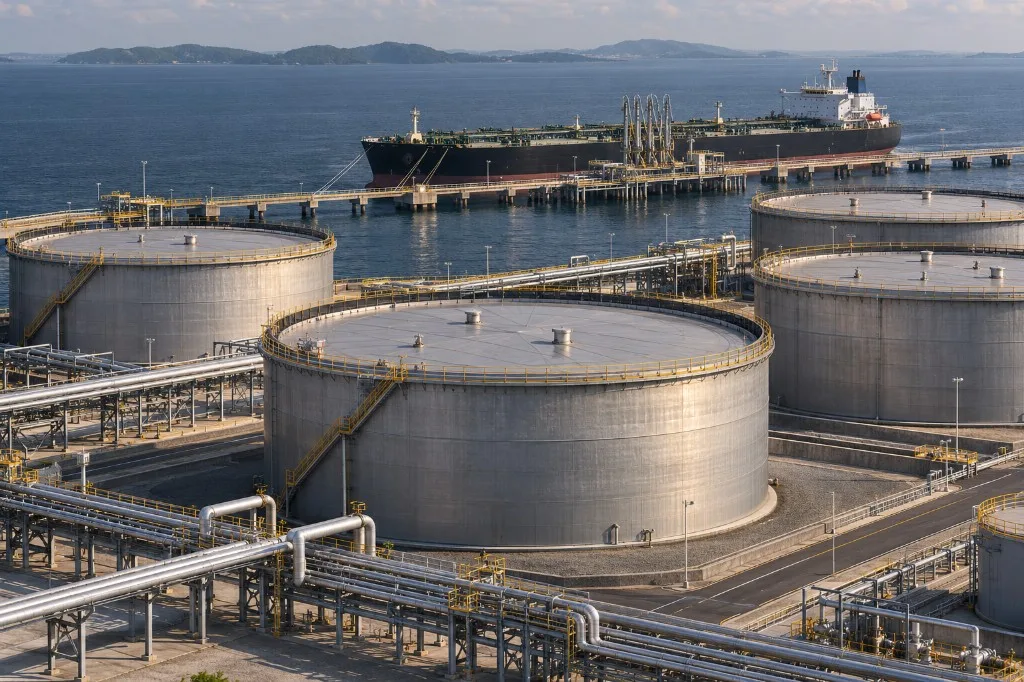
Crude oil is unrefined petroleum and the primary feedstock for refineries producing gasoline, diesel, jet fuel, and other petroleum products. It is transported from producing regions by pipeline or tanker, with storage and export terminals connecting production, shipping, and refining operations.
Crude oil grades vary by origin and composition. Two of the most important characteristics are density, typically expressed as API gravity, and sulphur content. These characteristics help determine how a crude grade will perform in a particular refinery, what products it is likely to yield, and how much additional processing it may require. Lighter grades generally yield a higher proportion of lighter products, while heavier or higher-sulphur grades may require more complex processing. Refinery configuration, operating costs, and product demand all influence the commercial value of a given grade.
In physical crude oil trading, each cargo is agreed against a defined set of quality, commercial, and delivery terms. These typically cover the crude grade and specifications, cargo volume, pricing basis, loading window, and delivery point. Vessel and terminal coordination, cargo inspection, and accurate shipping documentation support the execution of the transaction from loading through delivery.